KY Corn increases agricultural literacy at local hands-on event
An agricultural field day to remember
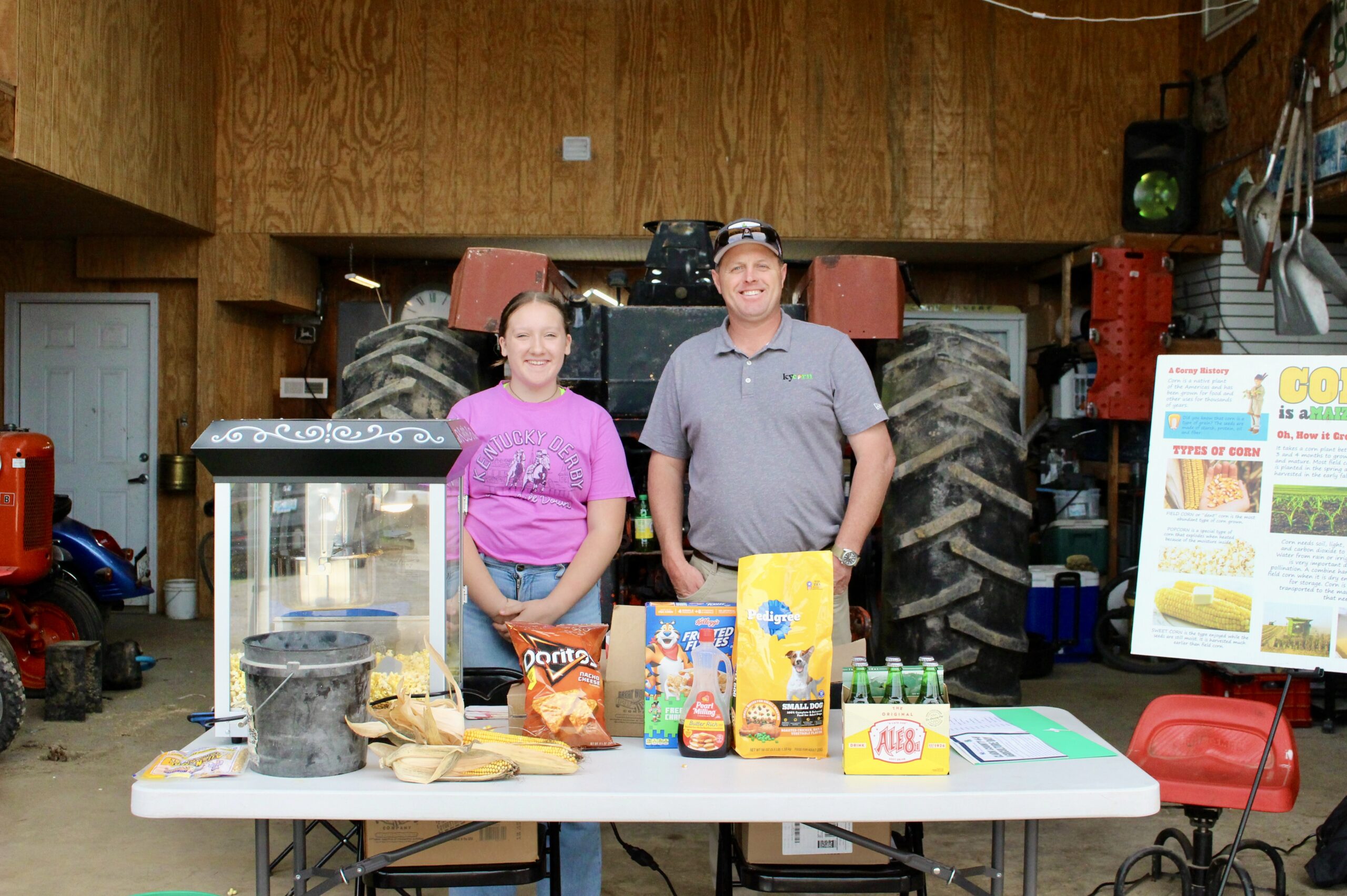
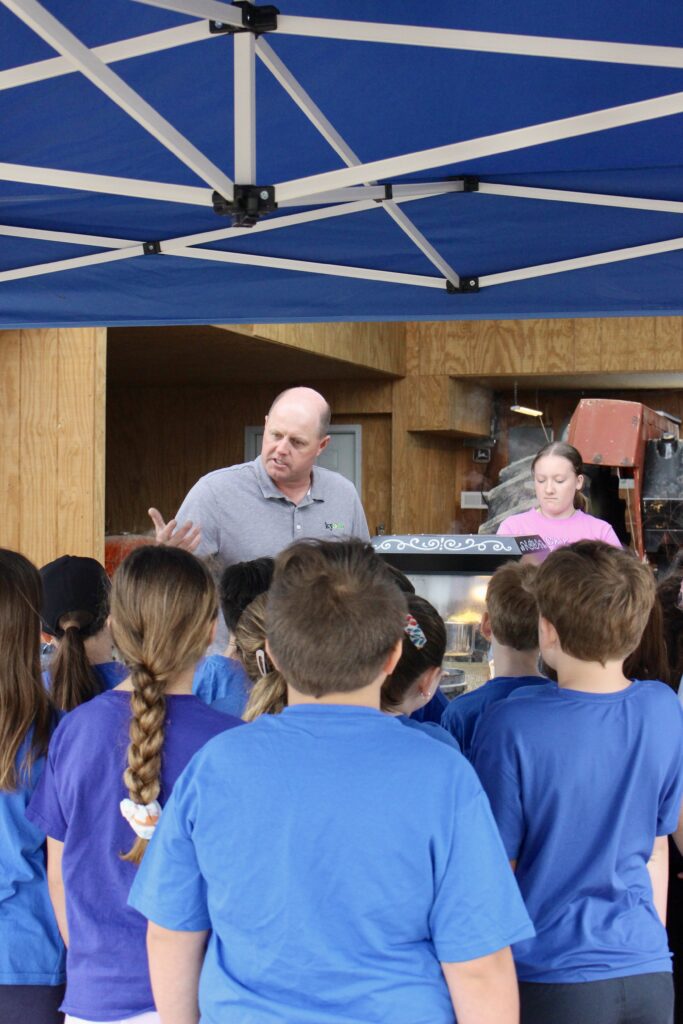
Over 800 elementary school students from 10+ schools in Clark County learned about Kentucky’s #1 commodity this week at Gilkison Farm for the annual Gilkison Farm’s 4-H Agricultural Day. KY Corn taught these kiddos about corn and the every-day products in which corn can be found.
Steven Bach, KY Corn Growers Association board member and Bath County farmer, led the corn station and educated these young consumers and potential agriculturalists over two days. Each group was taught with care, shaping the next generation of young minds and investing in the future of our state’s young people.
The Gilkisons have been hosting the field day for the county’s local elementary schools for the past 12 years. Bach has dedicated his time to the corn station for eight of those years and plans to continue to invest his time for the benefit of Kentucky’s students.
Students enjoyed a comprehensive dive into local Kentucky agricultural practices. They learned about corn, soybeans, farm chores, farm equipment, drone technology, beekeeping, dairy cows, sheep, food preservation, beef, goats, soil, horses, poultry, and more.
In an interview with the Winchester Sun, third-grade teacher Tatiana Hall said that the agricultural lessons taught during 4-H Agricultural Day stick with the students and form lasting memories. “For example, with the corn, they realize how pervasive it is in all of our foods and goods. … They have an appreciation for where our food comes from [and] how much hard work it takes.”
Interacting with students and teaching them about where their food comes from and the real life uses for corn is a privilege. KY Corn is proud to support agriculture literacy efforts like the Gilkison Farm Agriculture Day.
What did the students learn about corn?
- The science of pollination
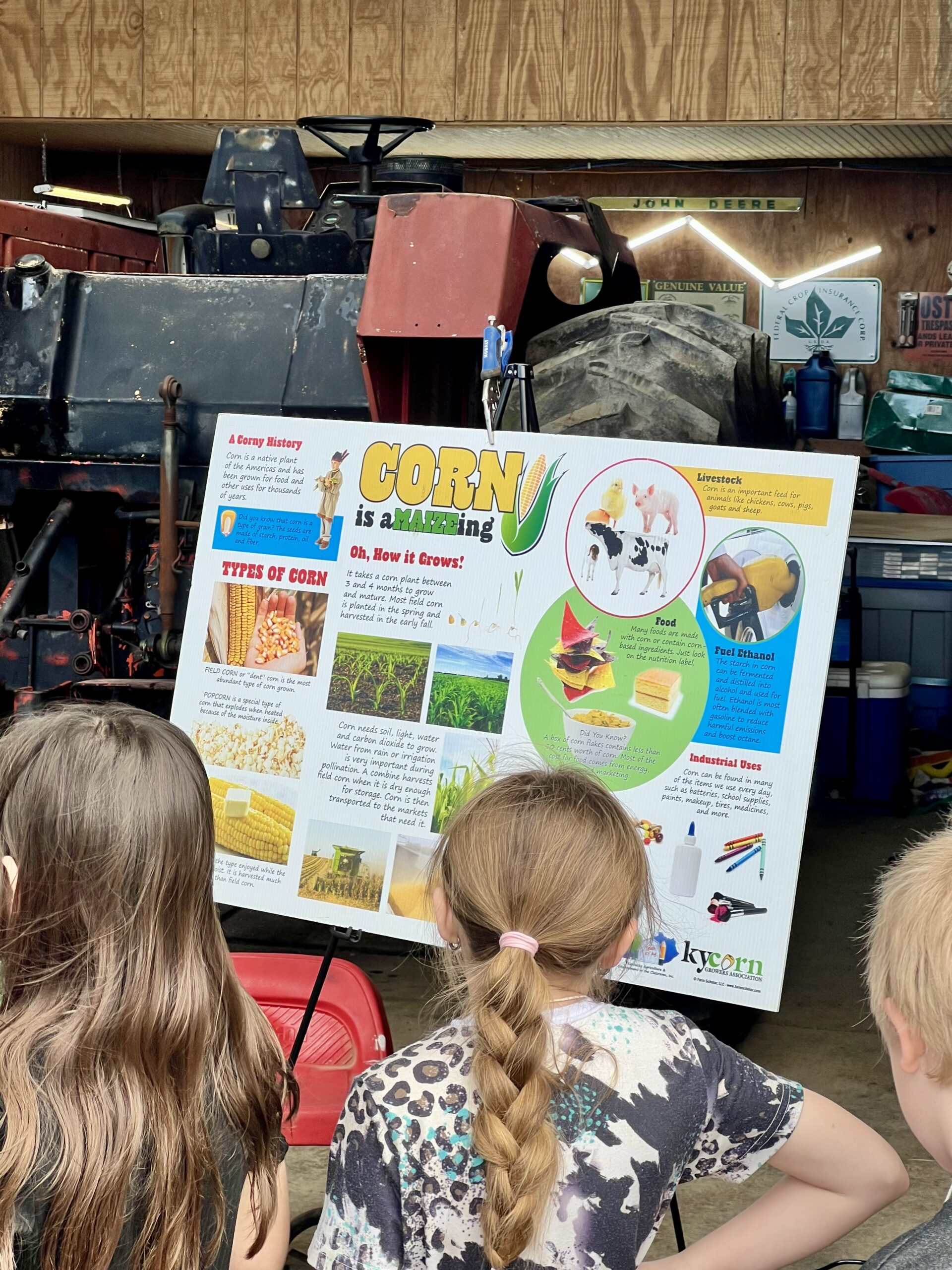
- Types of corn in Kentucky: field corn, sweet corn, and popcorn
- Growth stages of corn and the biology of plants
- Seed germination processes
- Seed treatments for corn seed success
- Kentucky corn markets
- Animal Feed, Ethanol, Dried Distillers Grains (DDGs), Corn Silage
- Livestock diets (cows, chickens, pigs, horses)
- Corn in the human diet
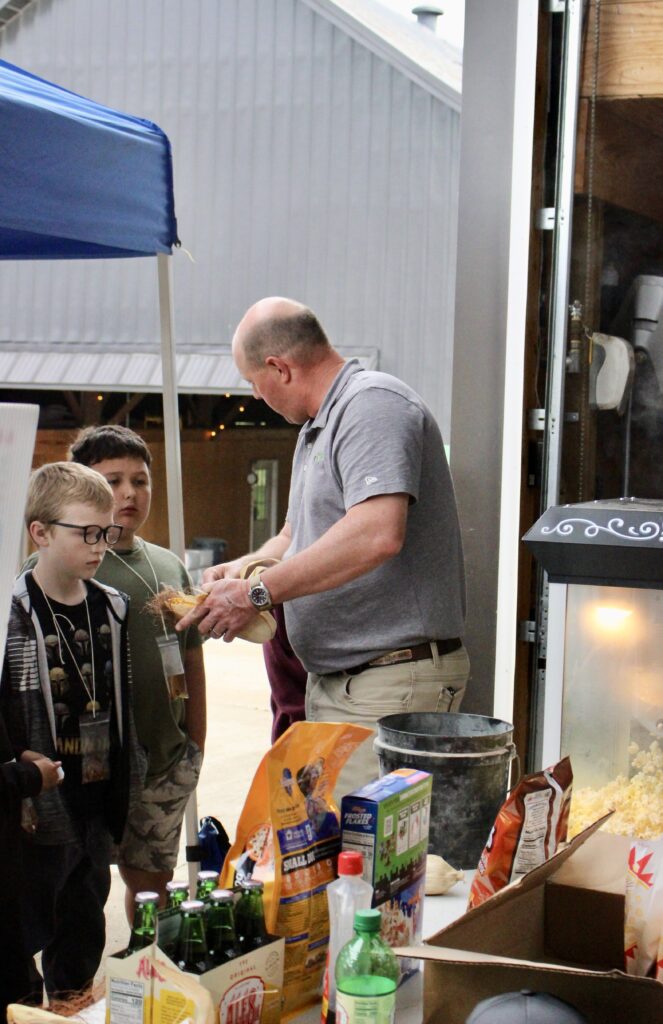
- Chips
- Maple syrup
- Popcorn
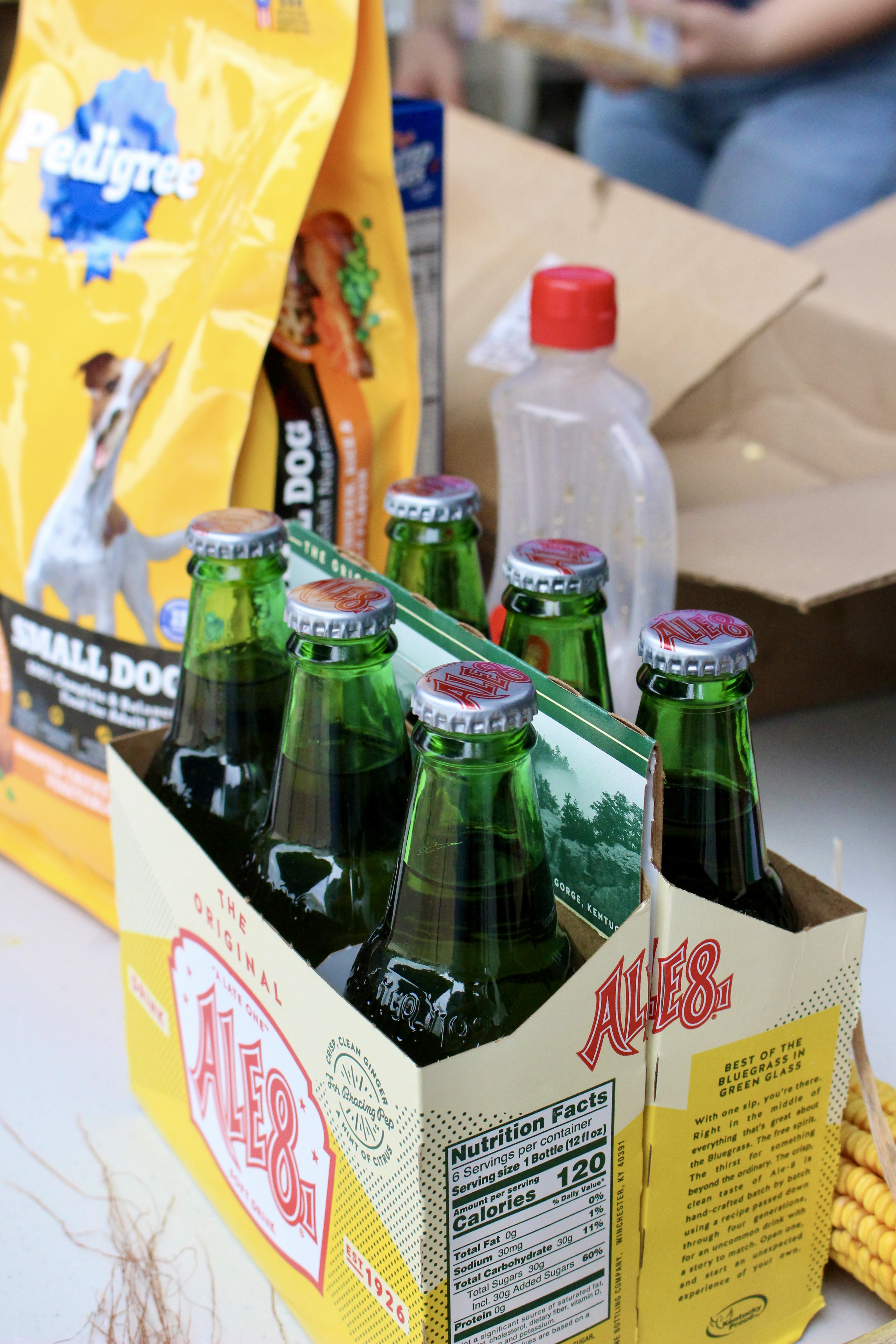
- Ale-8-One (a local Kentucky favorite!)
- Cereal
- Corn ethanol in our fuel supply
- Ethanol fuels our cars
- How to spot ethanol at the gas pump
- Biofuels might power their school buses, too!
- Corn in common household products
- Makeup and cosmetics
- Dog food
- How to read a nutrition label
What kinds of questions do elementary school students ask about corn?
Q: “There’s an actual type of corn called popcorn?”
A: Yes! Popcorn is the only type of corn that will pop and make the delicious movie theater snack that you’re used to.
Q: “Why is that corn green?”
A: Some corn seed is painted, or treated, with all kinds of good stuff to make sure the new plant is happy and healthy. These seeds come in all kinds of colors to show that they’re special.
Q: “Would you eat corn raw?”
A: For Steven Bach, the answer is yes! Certain varieties taste better than others, Bach said.
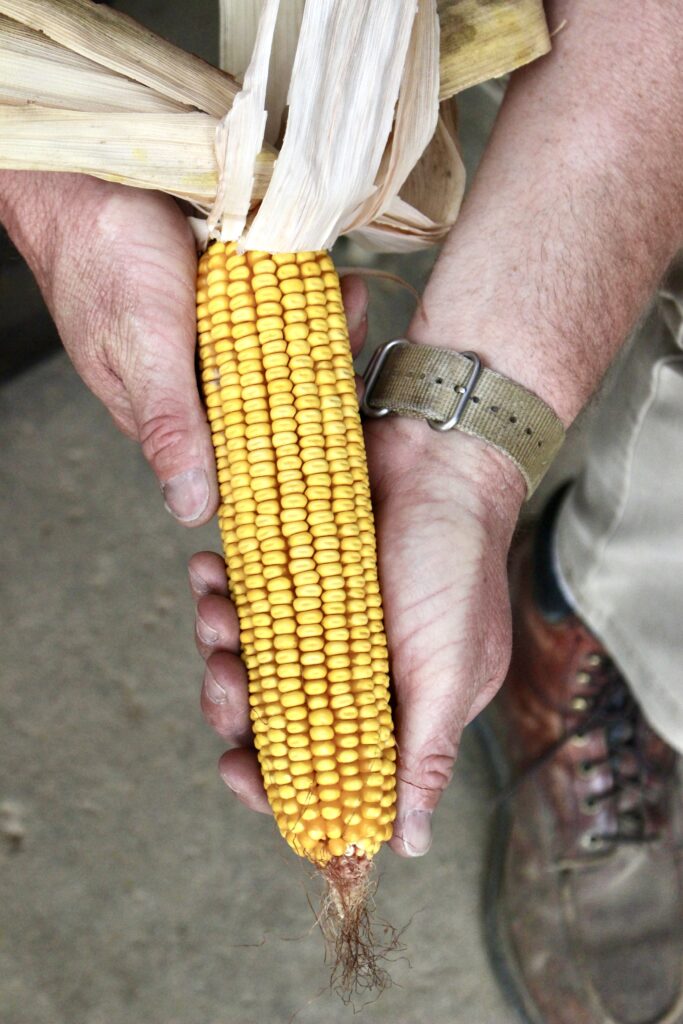
Q: “Why does it have hair?”
A: Those are called silks! Each silk goes to one kernel, and the silk is what allows the kernel to grow after pollination.
Q: “Is every one of these kernels one seed?”
A: Yes! Each kernel is attached to one silk, and that one silk must be pollinated for that kernel to grow. If it’s not pollinated, that kernel will be barren. Each ear of corn has about 700 kernels on it, and each variety of corn looks and grows a little bit different. Each individual kernel, if planted in the ground and cared for properly, will grow into its own corn plant.
Q: “Is it real corn, or is it fake corn?”
A: This is as real as it gets! Field corn can be hard and seem fake, but allowing the field corn to dry down and get hard is what allows farmers to harvest it and sell it.
Q: “Where does corn come from?”
A: The corn we know today started as a grass in southern Mexico! Farmers have been breeding and domesticating corn for thousands of years to create the corn we know.
Q: “Can I drink ethanol?”
A: No. Even though ethanol is made from corn, which is a food people can eat, ethanol is a type of corn byproduct that isn’t safe for human consumption.
What unique, hands-on opportunities do students experience from an agriculture field day?
- See and understand grain bins and how corn is stored
- Ask a real farmer their burning questions
- Take a whiff of corn silage used to feed cows
- See what dried distillers grains look like up close and personal
- Handle a dried cob of field corn
- See treated corn seed in person
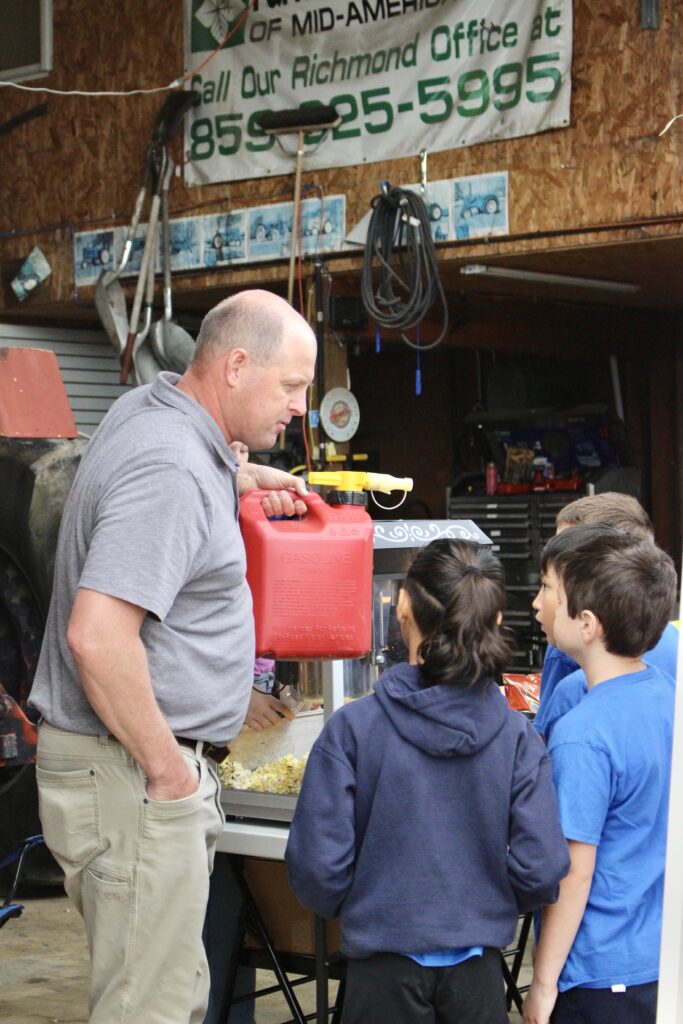
- Enjoy a delicious popcorn snack prepared right in front of them
- Learn about local Kentucky agriculture markets